I woke to the shrill ring of my phone. As I reached for it, I glanced at the bedside clock—5:30 a.m. Late-night calls were part of a veterinarian’s life, but calls at dawn were rare.
A worried voice came through the line.
“Noel, sorry to call at this hour. It’s Arthur… Oscar can’t use his back legs. He’s in severe pain—he’s growling.”
Still half-asleep, I asked for Oscar’s age.
“Eleven… maybe twelve.”
I told him to meet me at the clinic in thirty minutes.
At that moment, I wasn’t even sure whether Oscar was a cat or a dog. The conversation felt dreamlike, blurred by sleep. I only registered the name—Arthur—and wondered, not for the first time, whether clients expected veterinarians to remember both their names and their pets’ names.
I moved through my morning routine in a haze and drove into the dim light. Headlights cut through the mist as the town slowly stirred awake.
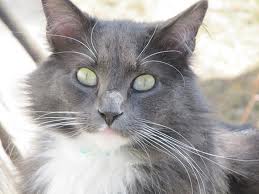
When I arrived at the clinic, Arthur Patton was already waiting, holding a box. Inside lay Oscar—a black cat with a small white mark on his forehead, like a bindi.
Under different circumstances, I might have paused to admire the delicate contrast of colours. But not today.
Oscar lay still from the hips down, his front legs restless. His breathing was laboured; his chest heaved. I checked his hind legs—they were ice-cold. There was no pulse in the femoral artery.
“How long has he been like this?” I asked.
“Three days.”
I explained gently that a blood clot had likely blocked a major artery, cutting off circulation to the lower body. Given the time that had passed, treatment was no longer a viable option.
Arthur listened quietly, nodding.
We agreed on euthanasia.
If another client had delayed this long, I might have spoken sharply about neglect. But I knew Arthur’s circumstances, so I said nothing.
Afterwards, he stood silently for a moment, then took my hands in his.
“Thank you,” he said softly, then left.
I first met Arthur not as a client but as a carpenter. Only later did he begin bringing his pets.
He once brought in Max, his 13-year-old Labrador, for what he thought was a neck abscess. On examination, I found multiple firm lumps—diagnosed as lymphoma. I chose not to pursue aggressive treatment.
That day, he also mentioned that his wife had undergone surgery for throat cancer.
“I’m sorry,” I said, aware of how inadequate those words can be.
A few months later, his wife arrived with a golden Labrador puppy.
Her lips were painted a vivid red, but her voice was rough, rising harshly from her throat. For a moment, I didn’t know where to focus—her face or her neck. I found myself watching her lips, trying to make out what she was saying.
“We got him to cheer Max up,” she said.
The puppy’s name was Ben.
Ben brought life to that household. Amid illness and quiet despair, his energy filled the spaces grief had hollowed out. Sometimes, the simple arrival of an animal can shift a family’s emotional balance.
I was vaccinating Ben when he bit me. Mrs. Arthur chuckled and showed me scratches on her arms.
“Gifts from Ben,” she said.
Months later, she came back with a grown-up Ben for regular treatment. When I inquired about her, she only chuckled and avoided the question.
Then she mentioned her daughter, who was hospitalised at Dandenong.
I had seen the girl before: tall, slender, and striking.
“What happened?” I asked.
“A car accident… on Christmas Day,” she said, her voice tightening. “Both her legs were badly broken.”
“Is she recovering?”
“She is…, but it will take time.”
“Let her recover well,” I said as she left.
Some months later, the daughter herself came to the clinic with a cat. I did not ask about the accident. Politeness—and perhaps restraint—kept me from asking.
Later, I met Arthur again and softly inquired about her well-being.
“She recovered from the accident,” he said. “Her legs are much better, but now the doctors say she has uterine cancer.”
I offered my condolences, but after that I stopped asking about his family.
In the midst of so much illness—his wife, his daughter, and his ageing dog—it struck me how steadfastly Arthur remained in caring for his animals.
Even under the weight of personal tragedy, he did not neglect them.
And perhaps that, in its quiet way, was a form of resilience.


மறுமொழியொன்றை இடுங்கள்